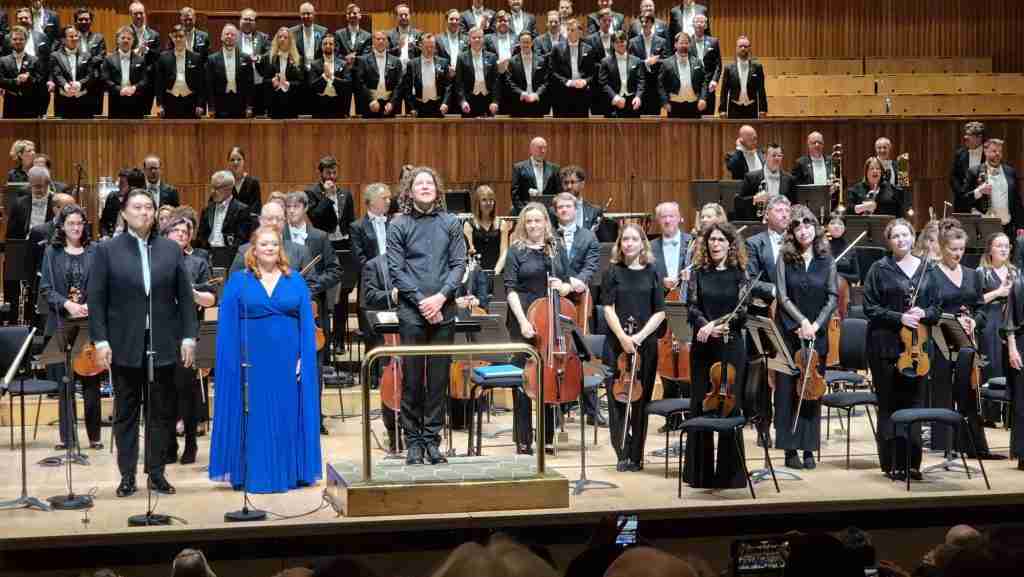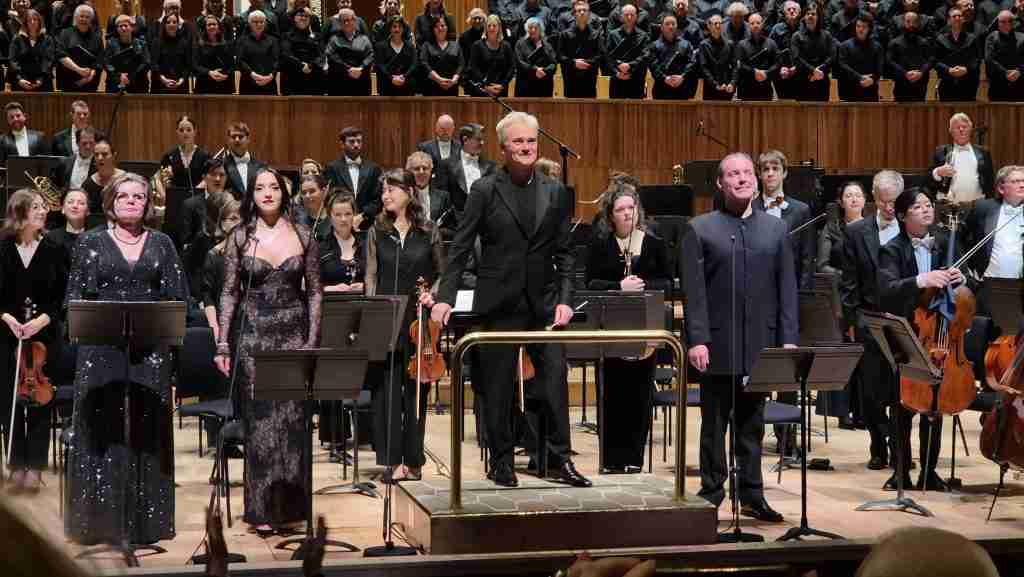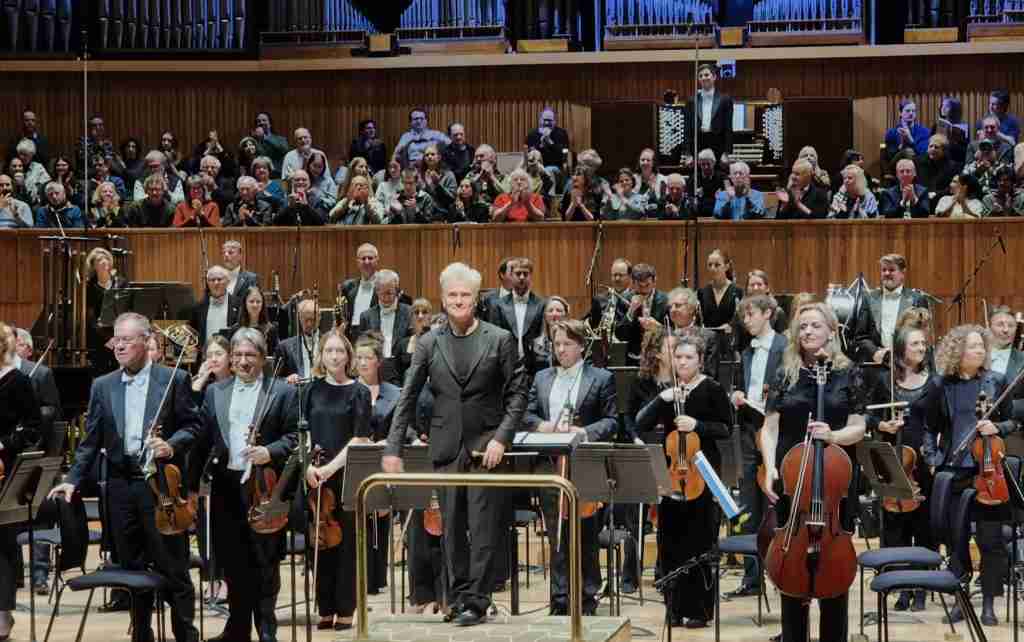
For the final concert of their 36th season farewell tour, the Orion String Quartet delivered polished performances of Schubert’s String Quartet in G and Beethoven’s
String Quartet in B-flat (Op.130, with its original Grosse Fuge finale). Composed in Vienna in the 1820s and among the last pieces their respective composers produced, these are usually referred to as late works, though their abundance of unconventional structures and dramatic contrasts endow them with a more forward-looking character than that label would suggest.
Played back to back, the quartets provided an excellent example of how the same group of instruments playing within the same compositional format can produce startlingly different results. The Orion’s invigorating, strongly characterized readings brought those contrasts to the fore. The most obvious difference is in the roles taken on by the instruments. In the Schubert, especially in the second movement
Andante un poco moto
, each instrument has a separate and distinct voice, whereas throughout most of the Beethoven the first violin is predominant while the other members – the foursome – take on supporting roles and coalesce into a more unified voice.
Another noticeable difference is in the role of the viola, which plays a leading role in the Schubert, but is far less prominent throughout most of the Beethoven.
In an astute, perfectly paced performance, the Orion revealed all the drama and emotional power in Schubert’s poignant final string quartet. Starting off at a slow tremolo, the first movement was congenial from the start. The coordinated bowing of the violins – at times combined but frequently diverging to give prominence to first chair Daniel Phillips – was easily perceptible. As the mood shifted from tense to tranquil to cheerful anticipation, the playing was compelling, as Steven Tenenbom’s mellow viola moved beneath them. In the highly conversational second movement, the passionate rumination from Timothy Eddy’s cello yielded to a lively argument in which each instrument assumed a separate voice. A mostly fleet-paced, nervously active Scherzo gave way to a supple trio featuring a dreamy duet between the cello and first violin. With forward momentum, The foursome galloped through the finale with exhilarating rhythm and some colorful surprises along the way.
For the Beethoven quartet, Todd Phillips switched to first violin, allowing him to deliver a spate of vigorous cadenzas while the rest of the quartet’s more solemn and intimate playing backed him up. In the dramatic first movement, the players kept the many contrasting passages and repeated motifs under control, shaping the biggest moments with great finesse. The brief Presto movement, featuring some pyrotechnical fingering from Todd Phillips, flew by like the wind. The graceful and gavotte-like third movement
Andante con moto
was gently sprung. The dance movement that followed, marked
Alla danza tedesca
, was elegant and flowing before shifting into the faster but nonetheless danceable rhythms of the
Allegro assai
. The music slipped into a more soulful mood in the penultimate movement, the expressive and heart-rending Cavatina, and heightened in intensity as the achingly long lines moved from player to player. With barely a pause, the foursome moved from the last notes of the Cavatina to the fierce opening of the Grosse Fuge – Beethoven’s original finale instead of the later, less elaborate allegro movement that he substituted at his publisher’s request –negotiating the demanding and contemporary sounding music with extraordinary skill and balance. The frantic trills from the violins were executed as cleanly as the dramatic pauses between sections. As the mood of the music moved from anguish to more hopeful, the stimulating and seamlessly blended playing provided a grand conclusion to the challenging quartet.
There was an encore: a graceful account of the Andante cantabile from Mozart’s String Quartet No.19 in C, K465.
←
音乐会评论
关于此网页
For the final concert of their 36th season farewell tour, the Orion String Quartet delivered polished performances of Schubert’s String Quartet in G and Beethoven’s