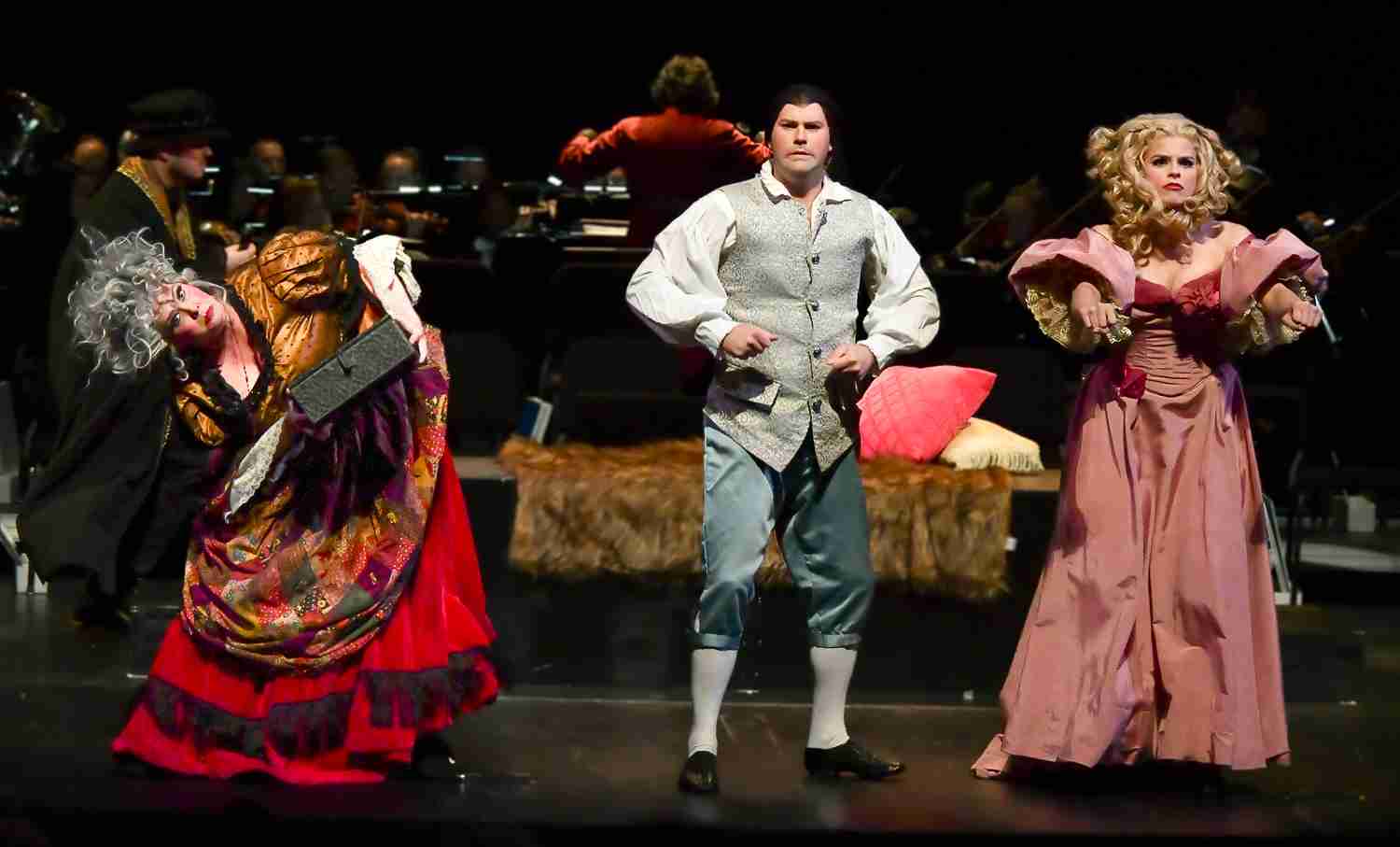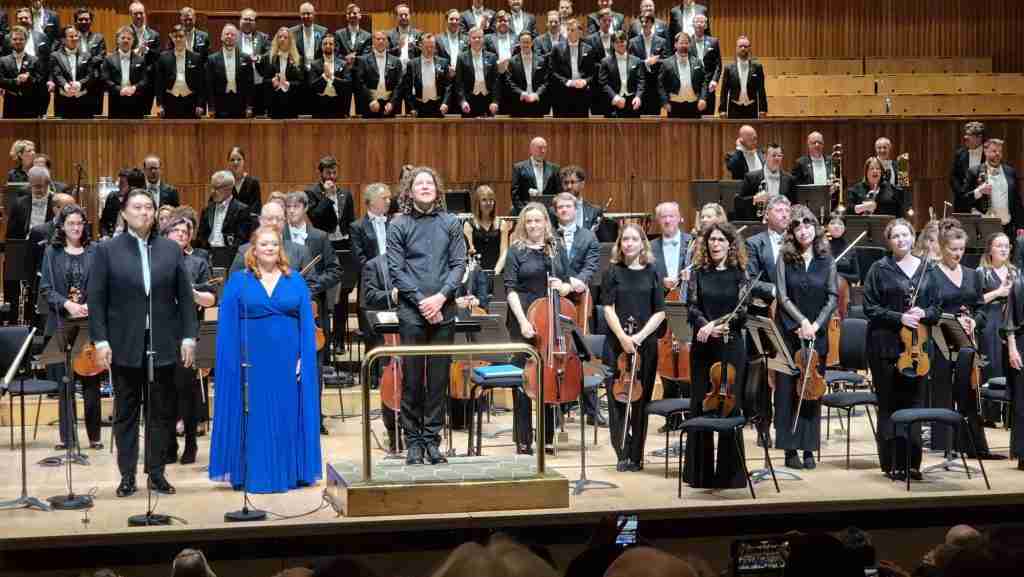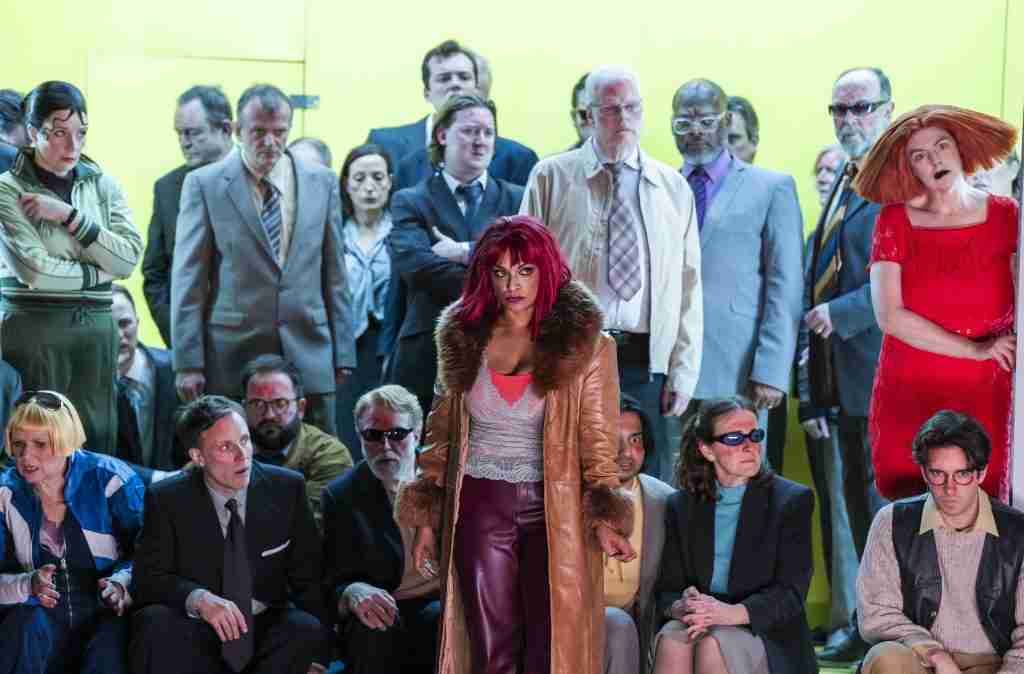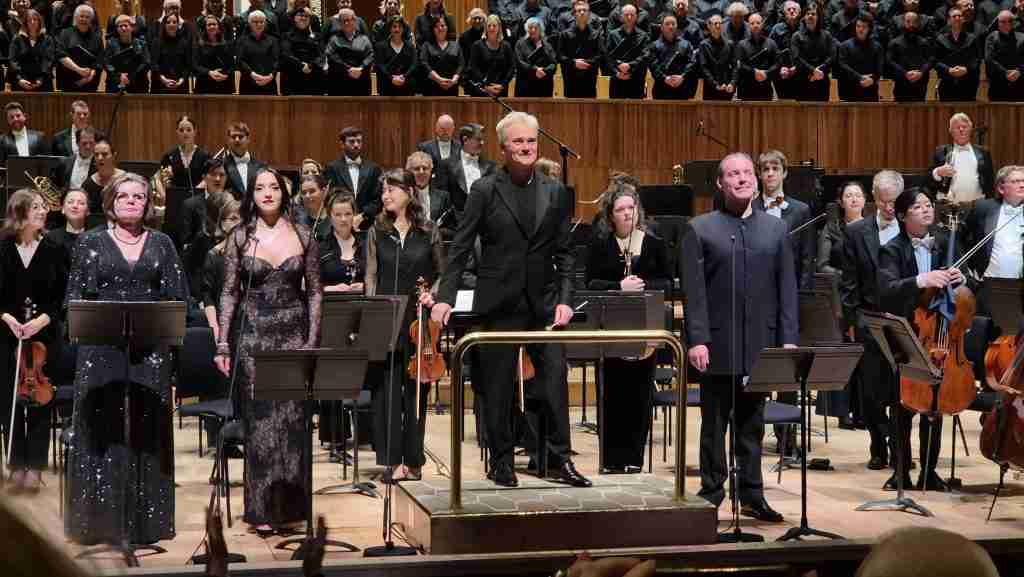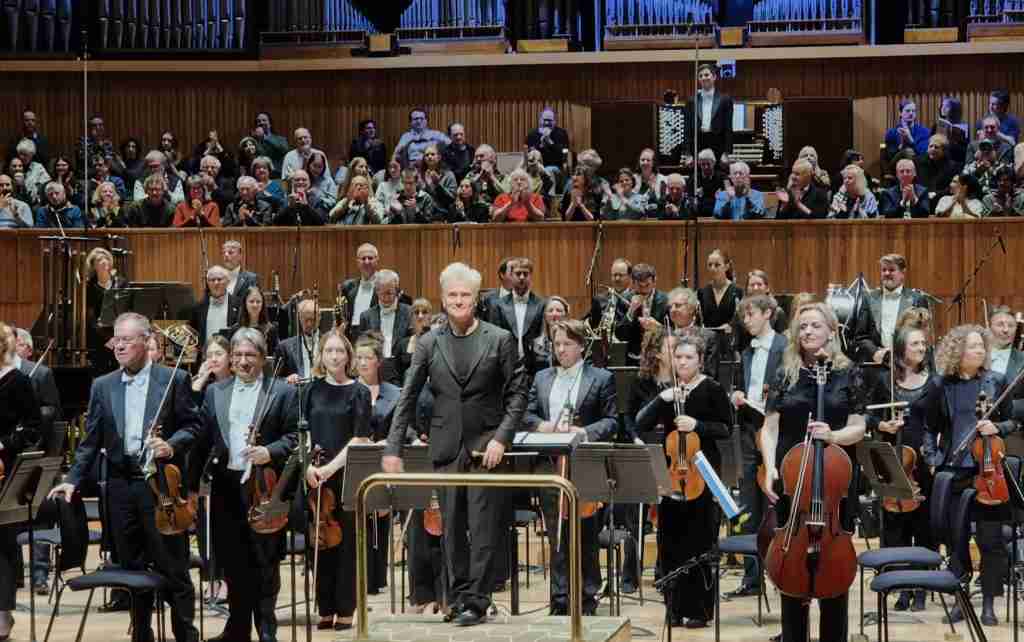
Candide was originally adapted for the stage by Lillian Hellman from Voltaire’s satirical novella and, with music by Leonard Bernstein and lyrics by Richard Wilbur, John Latouche and Dorothy Parker, it debuted on Broadway in 1956, only to close a scant two months later. Yet, Candide simply refused to die. With a new book by Hugh Wheeler and additional lyrics by Stephen Sondheim it was revived in 1973 at the Brooklyn Academy of Music in a scaled-down, one-act version, which transferred to Broadway in 1974, running there for more than a year. It was reincarnated in 1982 at New York City Opera in a version that restored some seven numbers that had been cut in the 1973-1974 revival. And in 1988 Scottish Opera performed a new version assembled by its Music Director, John Mauceri (who had also been music director for the 1973 and 1982 revivals) with collaboration from the composer, who considered this “the final revised version”. There were productions in succeeding years in New York, Chicago, Los Angeles, London and elsewhere. Then, in 2004, Lonny Price created a version for the New York Philharmonic, designed to be performed in front of a symphony orchestra, that included elements from several of the earlier incarnations. It is that adaptation on which this performance by the South Florida Symphony Orchestra is based.
A narrator in the character of Voltaire (Jason Zacher) sets the plot in motion, introducing Candide, a bastard raised in the household of a wealthy Westphalian Baron, the Baron’s daughter Cunegonde and son Maximilian, and a serving maid, Paquette. These four are taught by Doctor Pangloss (also portrayed by Zacher), that this is ‘The Best of All Possible Worlds.’ It takes a long succession of catastrophic events – war, volcanic eruption, earthquake, an auto-da-fé, and shipwrecks among others – to disabuse Candide of that philosophical notion. Bernstein’s witty and stylistically diverse score enlivens Candide’s picaresque journey with delightful dance rhythms – waltzes, tango, polka, and hornpipe – while ranging from operatic aria to moments of touching pathos.
David Walton is a marvelous Candide, his sweet tenor voice standing out in his recurring lamentations as well as in the more optimistic ‘Ballad of Eldorado’ and ‘Make Our Garden Grow,’ the work’s final number. His ingenuous charm and excellent comedic timing succeed in winning over the audience’s affection. His duets with Chelsea Lehnea’s Cunegonde are both lyrically lovely and quite humorous. In ‘Oh, Happy We’ they reveal their obviously irreconcilable views about the marriage that they both desire, and in ‘You were Dead, You Know’ Candide seems absurdly untroubled when Cunegonde declines to explain her resurrection, singing “we’ll go into that another day”. Lehnea’s show-stopping aria ‘Glitter and Be Gay’ shows off her brilliant
coloratura
chops.
Zacher’s articulate narrations are the audience’s guideposts to what is going on in the complicated plot as the action moves from place to place and the principals encounter a variety of other characters. As Pangloss, he is in excellent voice for his opening classroom session and in ‘Dear Boy’, in which he explains to Candide how he contracted syphilis from the always-‘available’ Paquette, portrayed by mezzo-soprano Lisa Marie Rogali with considerable charm.
The other principals are equally excellent. Alissa Anderson is hilarious as the outrageously disfigured Old Lady, Cunegonde’s traveling companion. Her tango-infused ‘I Am Easily Assimilated’ is one of the evening’s highlights, and she leads the way in the hilarious quartet ‘What’s the Use?’ near the operetta’s end. Anderson’s solid contralto voice harmonizes beautifully with Lehnea’s sparkling soprano in ‘We Are Women’, an airy polka explaining and exulting in women’s appeal to men. Baritone Lovell Rose as Maximilian is vocally and comedically solid, both as Candide’s nemesis in the opening Westphalian scenes and later when he responds to the Governor of Montevideo in ‘My Love.’ Tenor Max Jacob Zander creates memorable characterizations of both the Governor and Vanderdendur, who, along with the chorus, wishes Candide ‘Bon Voyage’ after selling him what he knows will be a sinking ship. Baritone Ben Ross ably plays two roles: the Captain who sends Candide off to the New World at the end of Act One, and Ragotski, the proprietor of a Constantinople casino who is one of the quartet of complainers in ‘What’s the Use?
Stage director Dan Wallace Miller, although working with minimal theatrical elements, makes this feel like a fully-staged performance. The only scenery is a small, raised platform that allows actors to perform on two different levels, but there are lighting effects and appropriate props and attractive costumes that contribute to the effective portrayals of the characters. The choristers, seated in two rows between the orchestra and the platform, frequently hold up cards that combine to spell out words or to provide a backdrop illustration, and they sway from side to side to portray a ship’s pitching on ocean waves. At times they even leave their seats to join in the action, as when they take part in a battle scene elaborately choreographed by Lee Soroko.Music Director Sebrina Maria Alfonso, after leading the Orchestra in a sprightly performance of the ever-popular Overture, maintains lively tempos that allow Bernstein’s musical wit to shine through while giving the singers breathing room to do justice to the clever lyrics and comedic business.
←
音乐会评论
南佛罗里达交响乐团——伦纳德·伯恩斯坦的《坎迪德》——大卫·沃尔顿、切尔西·莱尼亚、杰森·扎克、艾丽莎·安德森、丽莎·玛丽·罗加利和洛弗尔·罗斯;丹·华莱士·米勒指挥;塞布丽娜·玛丽亚·阿方索执棒
Candide was originally adapted for the stage by Lillian Hellman from Voltaire’s satirical novella and, with music by Leonard Bernstein and lyrics by Richard Wilbur, John Latouche and Dorothy Parker, it debuted on Broadway in 1956, only to close a scant two months later. Yet, Candide simply refused to die. With a new book by Hugh Wheeler and additional lyrics by Stephen Sondheim it was revived in 1973 at the Brooklyn Academy of Music in a scaled-down, one-act version, which transferred to Broadway in 1974, running there for more than a year. It was reincarnated in 1982 at New York City Opera in a version that restored some seven numbers that had been cut in the 1973-1974 revival. And in 1988 Scottish Opera performed a new version assembled by its Music Director, John Mauceri (who had also been music director for the 1973 and 1982 revivals) with collaboration from the composer, who considered this “the final revised version”. There were productions in succeeding years in New York, Chicago, Los Angeles, London and elsewhere. Then, in 2004, Lonny Price created a version for the New York Philharmonic, designed to be performed in front of a symphony orchestra, that included elements from several of the earlier incarnations. It is that adaptation on which this performance by the South Florida Symphony Orchestra is based.