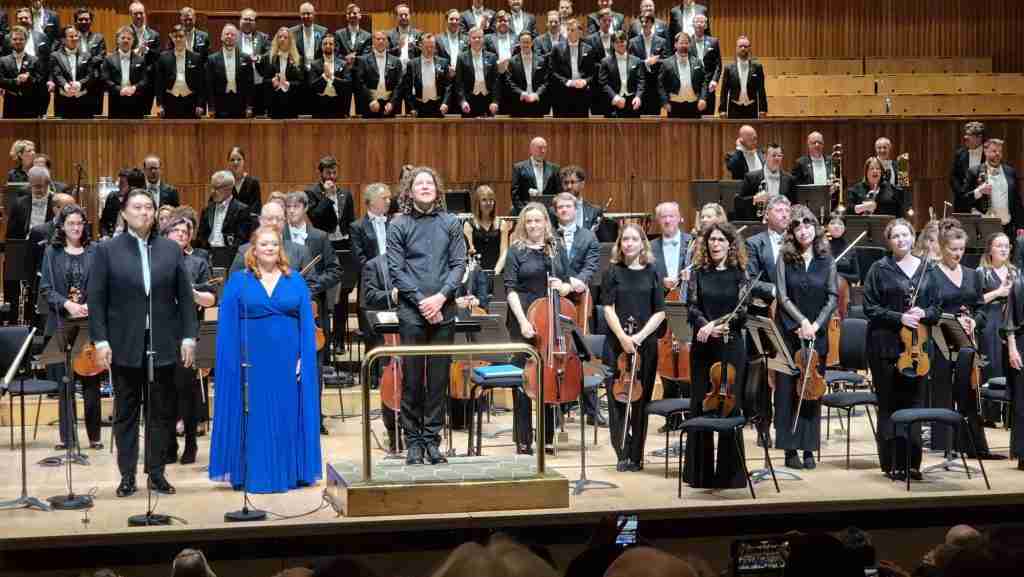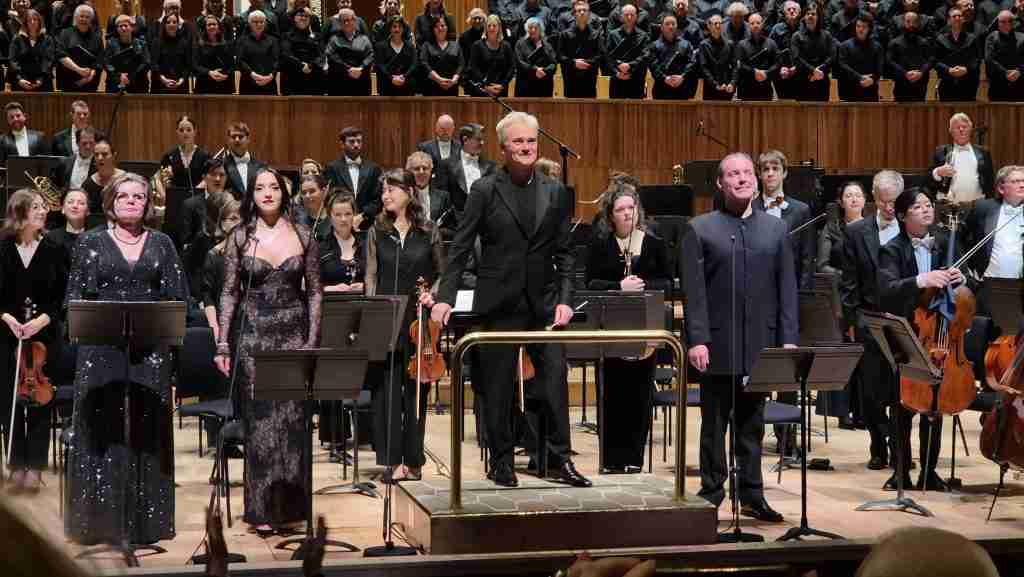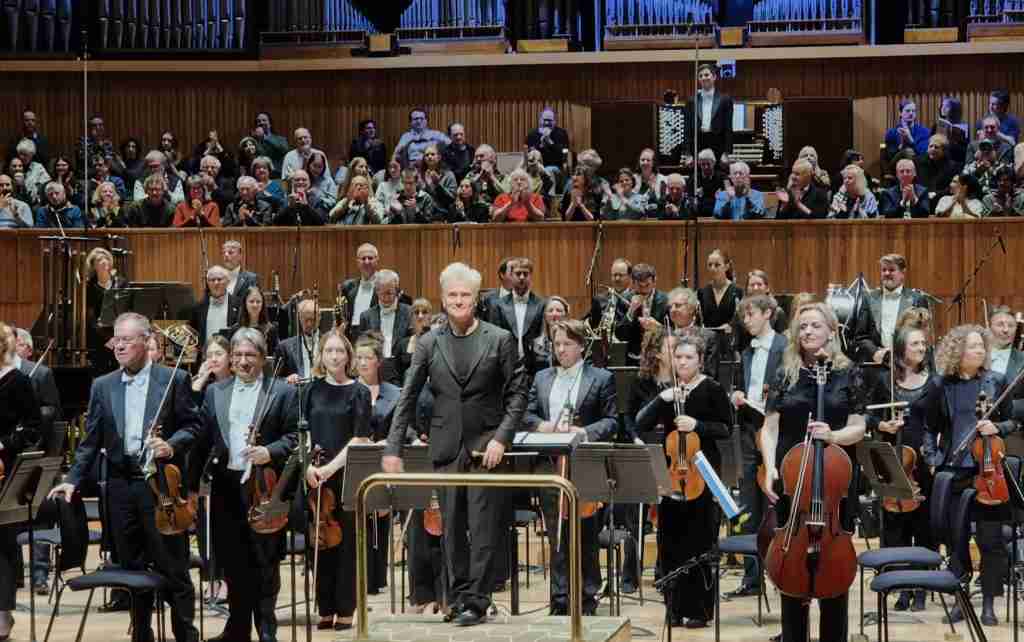
A trio of Russian firsts is one way of curating a classical concert. In the case of Shostakovich, the Philharmonia’s Anvil visit provided an opportunity to explore the composer’s development between a precocious student work (1925) and his first Violin Concerto conceived some twenty years later. The proximity of two strikingly different symphonies, roughly eight years apart, brought a further chance for comparison, not least for the youthful exuberance in which conventional symphonic models are re-interpreted through highly individual personalities.
Proceedings began with Prokofiev’s Haydn-inspired ‘Classical’ symphony (1917), a work seemingly contradicting his reputation as an
enfant terrible
in its transparent scoring and buoyant themes. Santtu-Matias Rouvali’s characterful account underlined the first movement’s bracing vigour, slicing through its
forte
chords so violently as to alarm the hard of hearing. But there was delicacy in the string playing, affectionate cameos from woodwind and star bursts of colour from the brass. The Larghetto was an elegant affair, where first violins floated in a kind of stately splendour, 18
th
century mannerisms artfully conjured. If the Gavotte was brash, the cat and mouse antics
of the
finale
were
arresting
for their precision, invigorated by much flamboyant exercise on the podium.
Shostakovich’s First Symphony is remarkable for its assurance, and one in which so many stylistic hallmarks are already in place. And here, the clear-cut textures of the first movement were tastefully rendered, conversational solo exchanges neat and tidy, and its sinister import, uneasily shifting between menace and ironic jollity, well observed. Hysteria was never far away in the revels of the Scherzo (shades of Prokofiev here too), where crystalline piano playing added its own mocking scintillation. It’s no coincidence Shostakovich considered calling the work a ‘symphony-grotesque’. Soulful expression arrived in a deeply felt Lento, its brooding expansively delivered by haunting oboe and violin solos and Jason Evans’ eerie trumpet. The Finale trod an ambivalent emotional path, wavering between apocalyptic brass and timpani and bleak string soliloquys, its triumphant close unashamedly rhetorical.
For the composer’s Violin Concerto, honours were taken by Serbian-French soloist Nemanja Radulović who gave one of those compelling accounts where soloist, conductor and orchestra were unequivocal in their collective vision. Intimacy of expression was uppermost in the opening ‘Nocturne’, Radulović shaping its sinuous contours with a veiled, tender beauty. He’s a violinist who can cherish a phrase with a fabulously incorporated rubato and refinement of colour and summon the quietest pearls. Flawless intonation and impeccable technique were evident in the wild abandon of the ‘Scherzo’, gurgling woodwind now prominent in a rhythmically taut movement, and the final pizzicato variation of the ‘Passacaglia’ was a whispered confession. After an intensely wrought ‘Cadenza’, the ‘Burlesque’ hurtled by, orchestra and soloist fully absorbed in its gleeful melange of hysteria and horseplay, reaching those exhilarating final bars with perfect control.
And there was no less exhilaration in Radulović’s parting gift, the traditional Serbian dance known as Pašona kolo, its homicidal speed breathtaking.
←
音乐会评论
Nemanja Radulović and the Philharmonia Orchestra at the Anvil
A trio of Russian firsts is one way of curating a classical concert. In the case of Shostakovich, the Philharmonia’s Anvil visit provided an opportunity to explore the composer’s development between a precocious student work (1925) and his first Violin Concerto conceived some twenty years later. The proximity of two strikingly different symphonies, roughly eight years apart, brought a further chance for comparison, not least for the youthful exuberance in which conventional symphonic models are re-interpreted through highly individual personalities.